








How to Choose the Best Medical Billing Company in Cumming GA
Healthcare practices in Georgia are under more financial pressure than ever. Insurance rules keep changing, denial rates are increasing, and staffing shortages continue affecting front-office operations. That’s why many clinics are searching for the best medical billing company in Cumming GA to improve collections and reduce administrative stress.
If you’re choosing a billing partner for your practice, the decision affects far more than claims submission. A good medical billing company can improve cash flow, reduce claim denials, speed up reimbursements, and help providers focus more on patient care instead of paperwork.
I’ve worked with practices that switched billing companies after losing thousands of dollars in unpaid claims. In many cases, the problem wasn’t the clinic itself. It was poor follow-up, coding mistakes, or weak denial management from the billing vendor.
Here’s what healthcare providers should actually look for before hiring a medical billing company in Cumming, Georgia.
What Is a Medical Billing Company?
A medical billing company handles the financial side of healthcare claims. Their job is to make sure providers get paid correctly and on time.
This usually includes:
- Insurance verification
- Medical coding
- Claims submission
- Payment posting
- Denial management
- Patient billing
- Revenue reporting
- Credentialing support
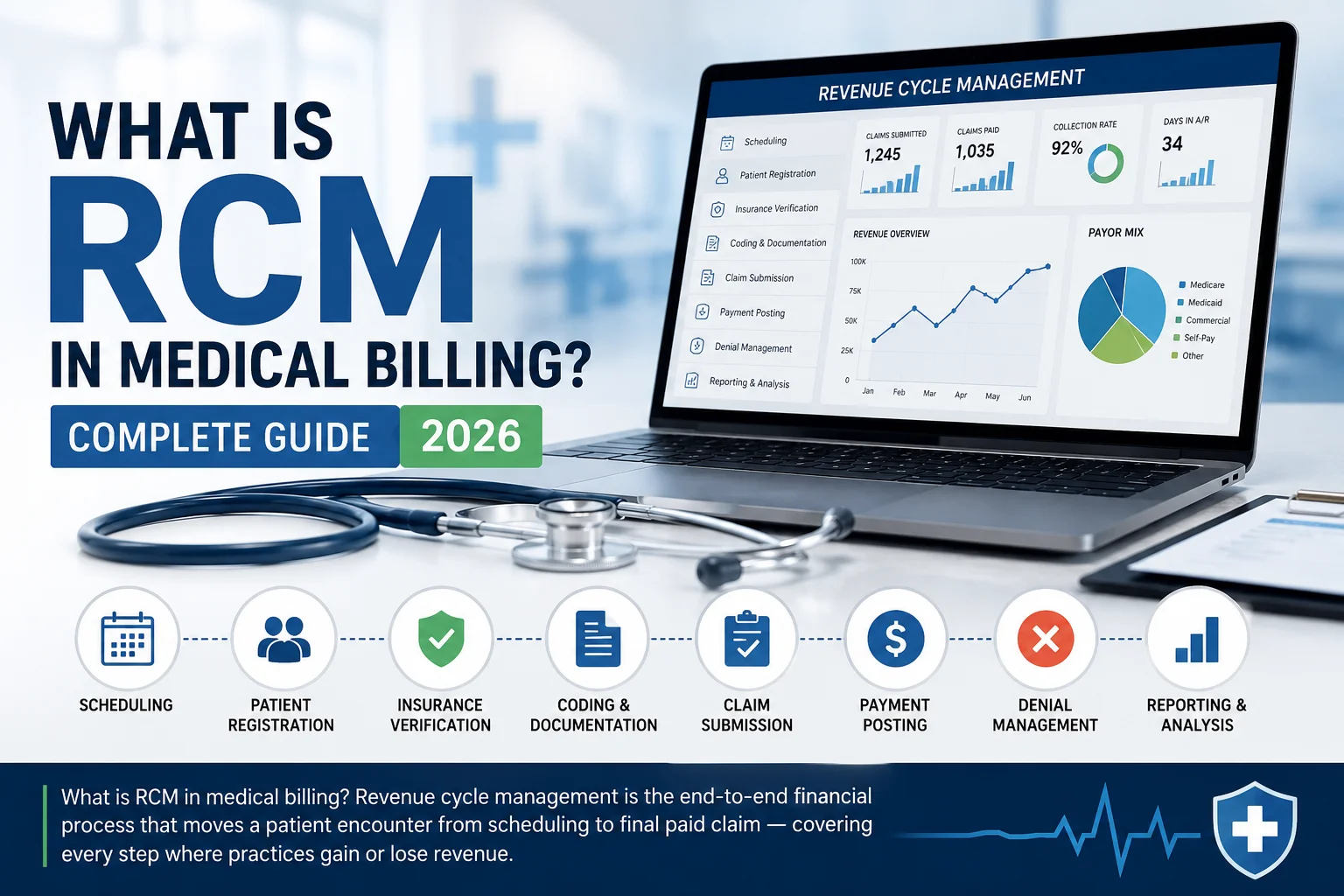
Most modern healthcare practices also expect support with Revenue Cycle Management (this means the full payment process from patient scheduling to final insurance payment).
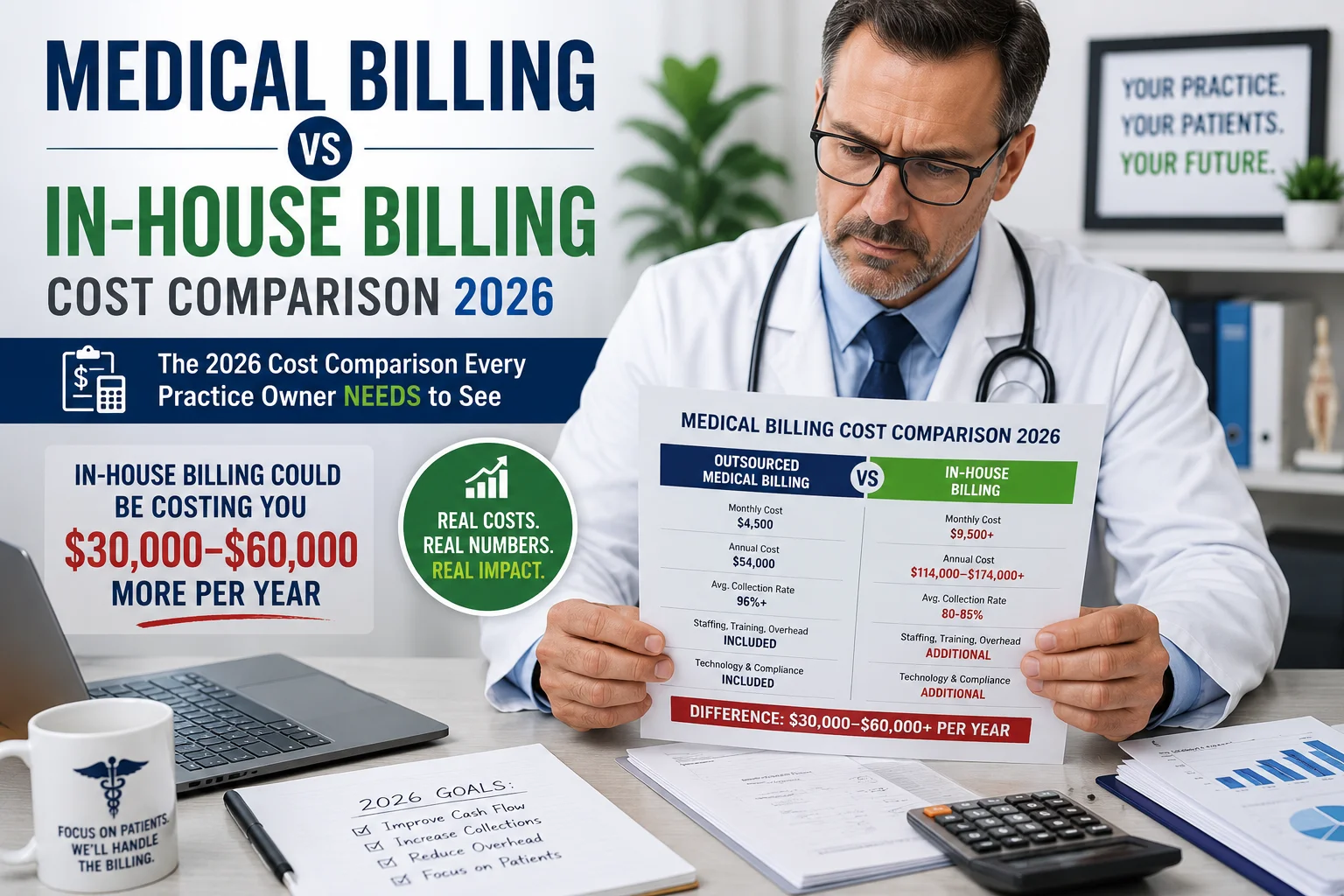
Many clinics outsource billing because maintaining an in-house billing department has become expensive and difficult to manage.
Why Choosing the Right Billing Company Matters
One thing many clinics struggle with is delayed reimbursements. Even a small coding mistake can cause claims to be rejected or denied.
According to CMS.gov, billing accuracy and proper documentation remain major compliance priorities in 2026 healthcare operations.
A weak billing company can create problems like:
- Increased denied claims
- Delayed payments
- Compliance risks
- Coding errors
- Patient complaints
- Lost revenue
- Poor financial reporting
A strong billing partner helps practices:
- Improve clean claim rates
- Reduce accounts receivable days
- Increase collections
- Handle insurance follow-up
- Stay compliant with payer rules
In my experience with healthcare providers, smaller practices often underestimate how much money gets lost through poor denial follow-up.
Even a 5% improvement in collections can make a major difference for independent clinics.
Common Problems Clinics Face With Medical Billing
Before choosing a billing company, it helps to understand the common issues clinics face.
High Claim Denials
Claim denials happen when insurance companies refuse payment due to errors or missing information.
Common denial causes include:
- Incorrect CPT codes
- Eligibility issues
- Missing modifiers
- Authorization problems
- Duplicate claims
- Incomplete documentation
Many practices don’t realize how much unpaid revenue is sitting in aging claims.
Poor Communication
Some billing companies rarely communicate with providers.
I’ve seen practices wait weeks just to receive claim status updates. That creates frustration and financial uncertainty.
Good billing companies provide:
- Regular reports
- Dedicated account managers
- Fast responses
- Monthly performance reviews
Lack of Specialty Experience
Medical billing is not the same across all specialties.
Mental health billing differs from cardiology billing. Urgent care billing differs from family practice billing.
A company without specialty-specific experience may create coding problems that directly affect reimbursement.
Outdated Technology
Healthcare billing software changed significantly in recent years.
Modern billing companies should support:
- EHR integration
- Real-time eligibility verification
- Electronic claims submission
- HIPAA-secure systems
- Automated reporting dashboards
Practices using outdated systems usually experience slower workflows.
How to Choose the Best Medical Billing Company in Cumming GA
Step 1: Check Healthcare Industry Experience
Experience matters more than flashy marketing.
Ask questions like:
- How long have they worked in medical billing?
- What specialties do they support?
- Do they understand Georgia payer requirements?
- Have they worked with practices similar to yours?
A company that understands local payer trends in Georgia can often solve issues faster.
For example:
- Medicaid requirements
- Medicare billing rules
- Regional payer edits
- Georgia commercial insurance workflows
When I worked with billing teams supporting independent clinics, local payer familiarity often reduced denial rates significantly.
Step 2: Evaluate Their Revenue Cycle Management Process
A billing company should explain their full workflow clearly.
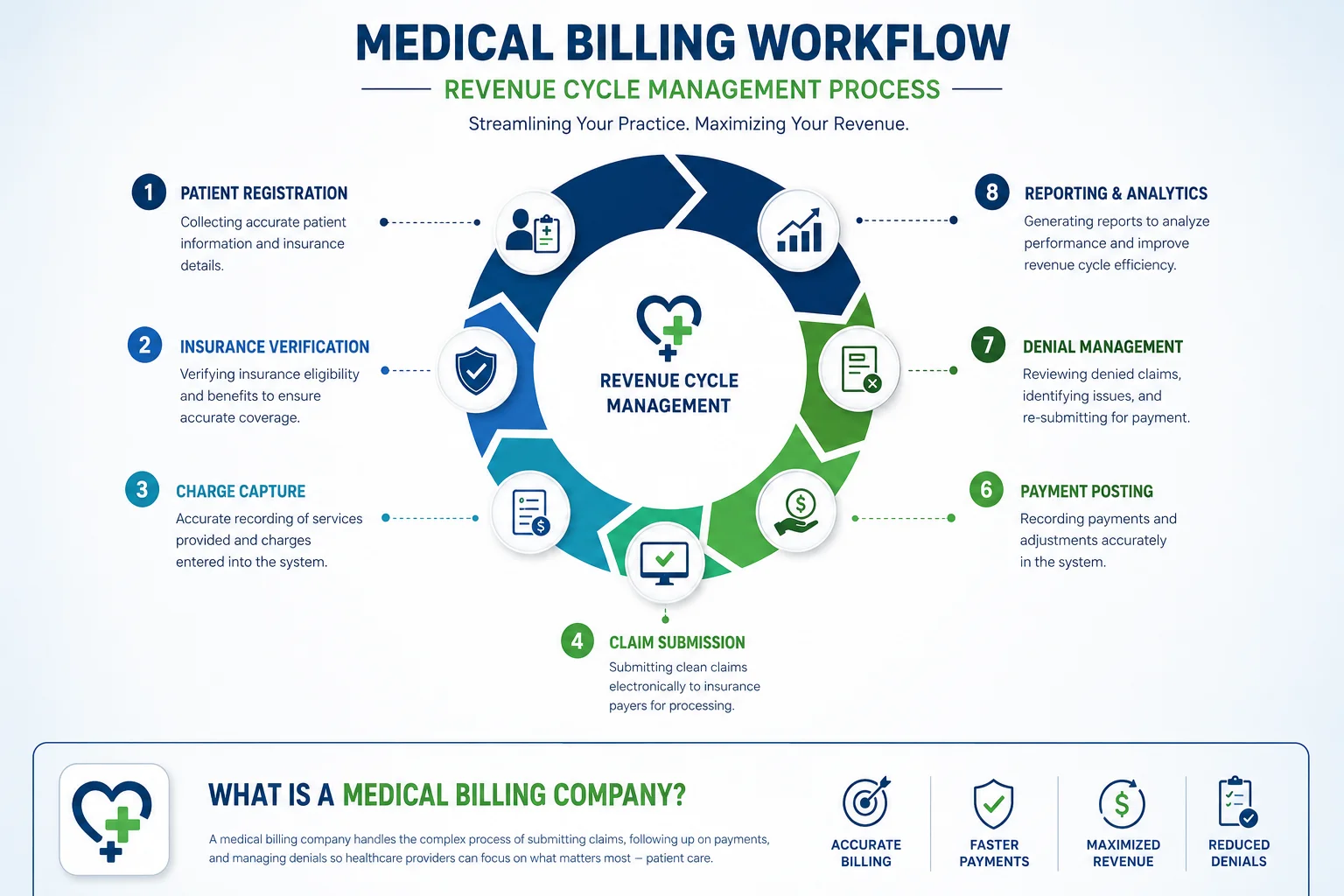
Look for a structured RCM process that includes:
Front-End Workflow
- Insurance verification
- Eligibility checks
- Prior authorization
- Patient demographics review
Mid-Cycle Workflow
- Medical coding
- Charge entry
- Claims scrubbing
- Electronic claim submission
Back-End Workflow
- Payment posting
- Denial appeals
- Insurance follow-up
- Patient statements
A weak front-end process usually leads to more denials later.
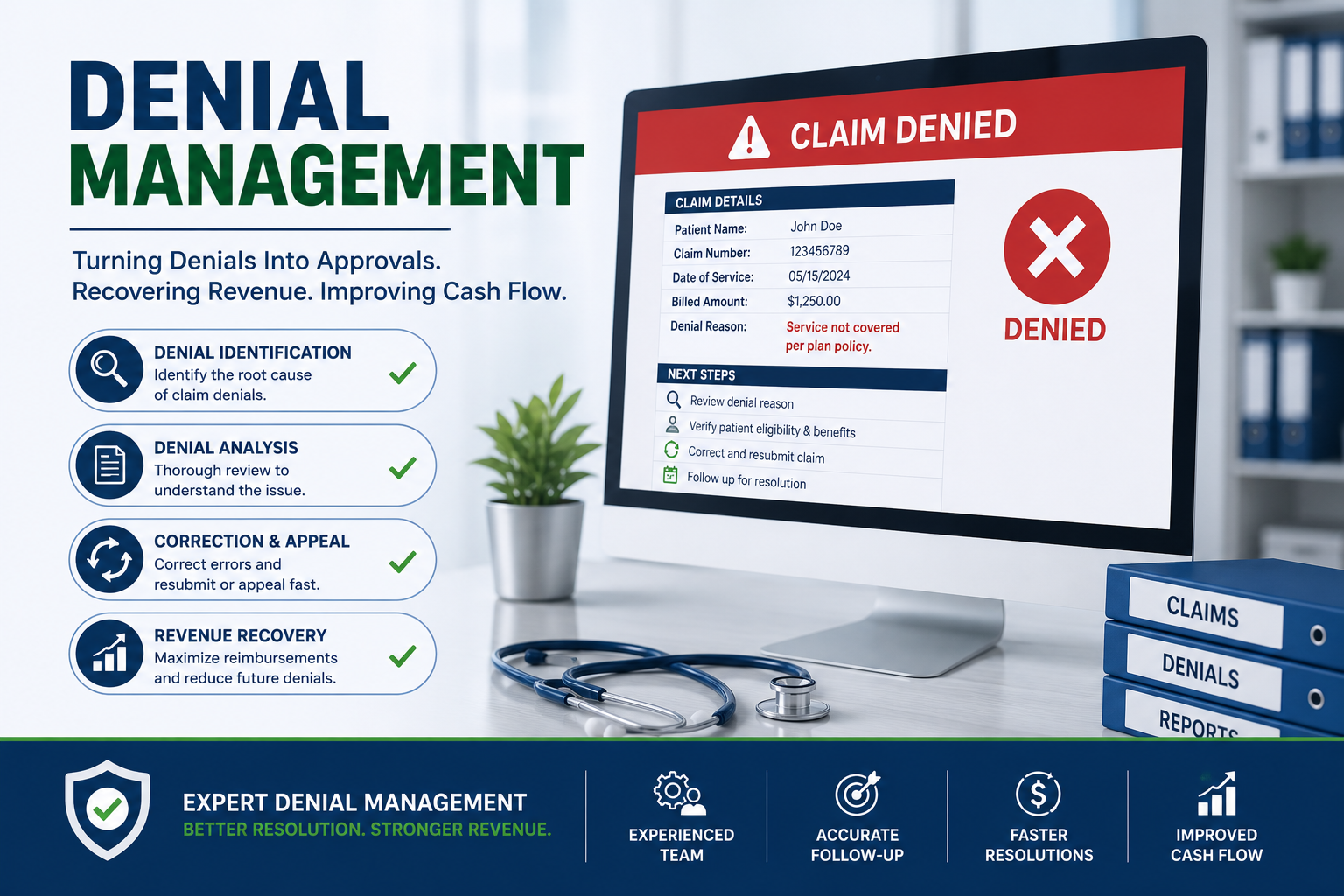
Step 3: Ask About Denial Management
Denial management is one of the most important services.
Some billing companies only resubmit denied claims once. Others aggressively appeal and track unpaid claims until resolution.
That difference directly affects practice revenue.
Ask:
- What is their denial rate?
- How do they track denied claims?
- Who handles appeals?
- How quickly do they respond to denials?
A good denial management process should include root-cause analysis.
That means identifying why claims fail repeatedly.
Step 4: Review Their Coding Expertise
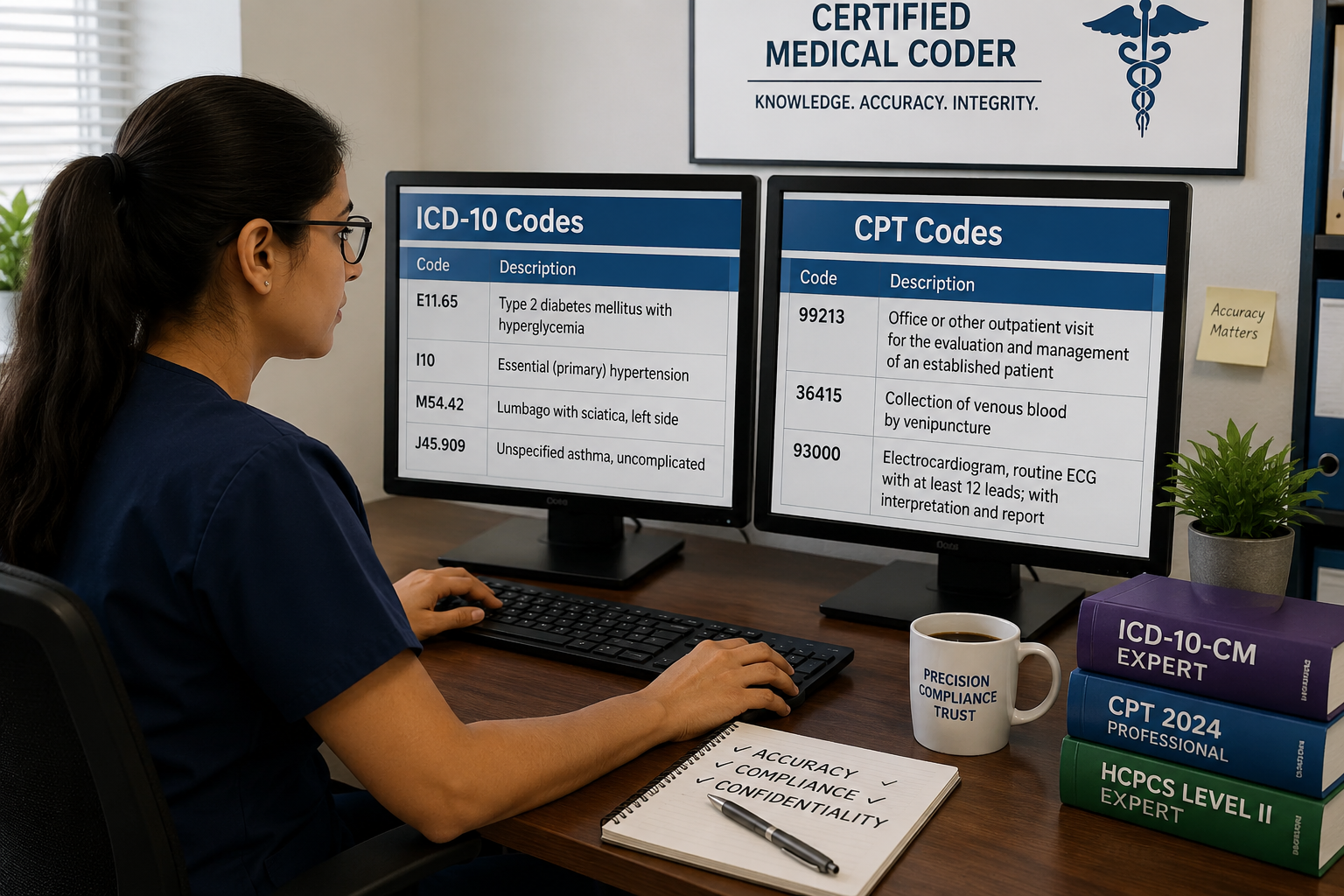
Medical coding accuracy affects both reimbursement and compliance.
According to AAPC, coding errors remain one of the leading causes of claim denials nationwide.
A billing company should employ certified coders familiar with:
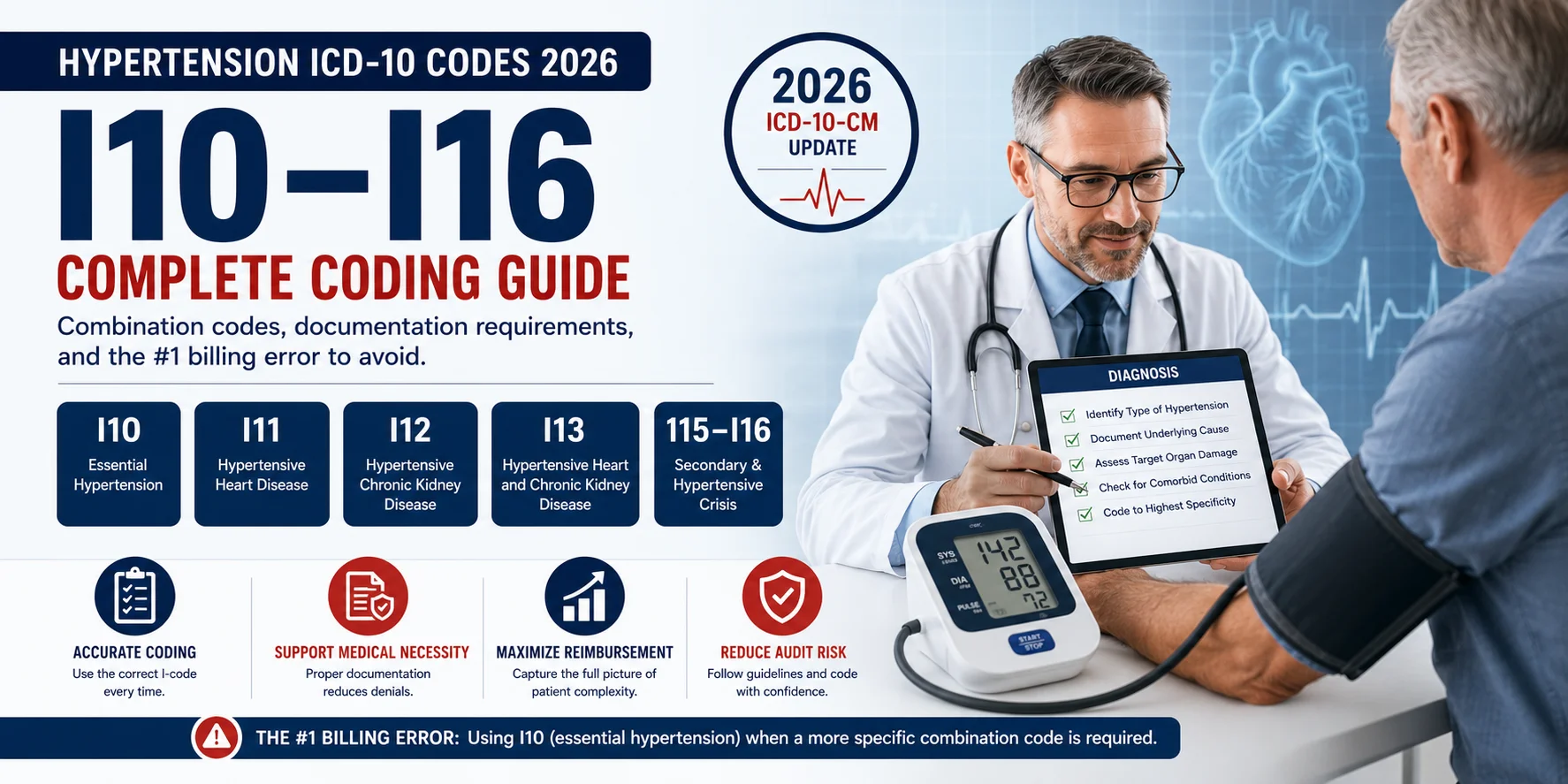
- ICD-10 codes
- CPT coding
- HCPCS codes
- Modifier usage
- Documentation compliance
If your clinic handles specialty care, ask whether the billing company supports specialty-specific coding.
Step 5: Understand Their Pricing Structure
Medical billing companies use different pricing models.
Common Pricing Methods
| Pricing Model | Description |
|---|---|
| Percentage of Collections | Billing company takes percentage of collected revenue |
| Flat Fee | Fixed monthly amount |
| Per Claim Fee | Charged per submitted claim |
| Hybrid Model | Combination of flat fee and percentage |
Most medical billing companies charge between 4% and 9% of collections depending on specialty complexity and claim volume.
Low-cost billing services may sound attractive initially, but poor collections often cost practices far more in the long run.
Step 6: Verify Compliance Standards
Healthcare compliance is critical.
Your billing company should follow HIPAA regulations and maintain secure handling of patient data.
Ask whether they:
- Use encrypted systems
- Conduct compliance audits
- Maintain HIPAA training
- Follow CMS guidelines
- Secure patient records properly
A compliance mistake can create serious legal and financial risks.
Official compliance information is available from HHS.gov.
Step 7: Look at Reporting Transparency
You should always know what’s happening financially inside your practice.
Strong billing companies provide reports like:
- Collection reports
- Denial trends
- Accounts receivable aging
- Payment turnaround times
- Provider productivity reports
Transparent reporting helps providers make smarter business decisions.
Step 8: Read Reviews and Client Feedback
Online reviews help identify patterns.
Look for comments about:
- Communication
- Claim turnaround times
- Customer support
- Accuracy
- Reliability
You can also ask for references from current healthcare clients.
A trustworthy billing company should be comfortable sharing client success stories.
Comparison Table: Good vs Poor Medical Billing Company
| Feature | Strong Billing Company | Weak Billing Company |
|---|---|---|
| Communication | Regular updates | Slow responses |
| Coding Accuracy | Certified coders | Frequent errors |
| Reporting | Transparent dashboards | Limited reporting |
| Denial Management | Active appeals process | Minimal follow-up |
| Compliance | HIPAA-focused systems | Weak security |
| Technology | Modern integrations | Outdated software |
| Specialty Knowledge | Specialty experience | Generic approach |
| Revenue Performance | Improved collections | Revenue leakage |
Why Local Medical Billing Companies in Cumming GA Can Be Helpful
Local billing companies sometimes offer advantages national vendors cannot.
Benefits may include:
- Better communication
- Familiarity with Georgia payers
- Easier collaboration
- Understanding of regional healthcare trends
- Personalized support
Some providers prefer local companies because they can schedule direct meetings when necessary.
That personal relationship still matters in healthcare operations.
Questions You Should Ask Before Signing a Contract
Before choosing a medical billing company, ask these important questions.
Operational Questions
- Who will manage my account?
- How often will we communicate?
- What software do you use?
- Do you support my specialty?
Financial Questions
- What are your fees?
- Are there hidden costs?
- What is your average collection rate?
- How do you handle unpaid claims?
Compliance Questions
- Are your coders certified?
- How do you protect patient data?
- Are you HIPAA compliant?
- How do you handle audits?
Red Flags to Watch For
Not every billing company delivers what they promise.
Here are warning signs providers should take seriously.
Unrealistic Revenue Promises
No billing company can guarantee massive revenue increases overnight.
Be cautious if someone promises:
- “100% collections”
- “Zero denials”
- “Guaranteed profit growth”
Healthcare reimbursement depends on multiple factors.
Lack of Reporting
If a billing company avoids detailed reporting, that’s a concern.
Providers should always have visibility into:
- Claims status
- Denials
- Payments
- Outstanding balances
Weak Customer Support
Slow communication creates operational problems.
A billing company should respond quickly when:
- Claims are delayed
- Payers request documentation
- Coding questions arise
- Patient billing issues appear
Long-Term Contracts Without Flexibility
Some companies lock practices into difficult contracts.
Always review:
- Cancellation terms
- Transition support
- Data ownership
- Hidden fees
Expert Tips for Healthcare Providers
Here are a few recommendations I often share with clinics evaluating billing partners.
Start With a Billing Audit
Before changing companies, review:
- Current denial rate
- Accounts receivable aging
- Collection percentage
- Coding accuracy
That gives you a realistic baseline.
Focus on Specialty Expertise
Specialty-specific billing experience matters.
For example:
- Mental health billing requires authorization knowledge.
- Surgical billing involves complex modifiers.
- Telehealth billing rules changed significantly after recent CMS updates.
Choosing a company familiar with your specialty reduces billing problems.
Don’t Ignore Credentialing Support
Credentialing delays can stop providers from receiving payments.
A strong billing company often helps with:
- Provider enrollment
- Insurance credentialing
- CAQH maintenance
- Revalidation processes
Ask About Technology Integration
Your billing partner should work smoothly with your EHR system.
Integration problems can create:
- Duplicate work
- Missing charges
- Data errors
- Delayed submissions
Real-Life Workflow Example
Here’s a simplified example of how a strong medical billing workflow works in practice.
Before Patient Visit
- Insurance verified
- Eligibility checked
- Authorization confirmed
During Visit
- Provider documentation completed
- Accurate coding assigned
After Visit
- Claims scrubbed for errors
- Electronic submission sent
- Payment tracked
- Denials appealed if needed
Each step directly affects reimbursement speed.
One missing authorization can delay payment for months.
How Outsourced Billing Helps Small Practices
Smaller clinics in Georgia often struggle with staffing shortages and administrative burnout.
Outsourcing billing can help by:
- Reducing payroll costs
- Improving collections
- Minimizing training requirements
- Reducing claim errors
- Allowing providers to focus on patient care
I noticed smaller practices often recover revenue faster after outsourcing billing because experienced teams identify overlooked problems quickly.
Internal Resources Healthcare Providers Should Review
Healthcare providers searching for billing support may also benefit from these services available at Pro Healthcare Advisors:
- Medical Billing Services
- Revenue Cycle Management
- Insurance Verification Services
- Credentialing Support
- Denial Management Solutions
- Mental Health Billing Services
- Healthcare Consulting
These services work together to improve financial performance across the full healthcare revenue cycle.
Common Mistakes Clinics Make When Hiring Billing Companies
Choosing Based Only on Price
Lower fees don’t always mean better value.
Poor collections can cost far more than slightly higher service fees.
Ignoring Reporting Quality
Without clear reports, providers cannot measure performance accurately.
Not Reviewing Specialty Experience
Every specialty has different coding and payer rules.
Failing to Monitor Performance
Even after hiring a billing company, providers should regularly review:
- Collection rates
- Denial trends
- Payment timelines
- Patient billing feedback
FAQs
How much does a medical billing company cost in Georgia?
Most billing companies charge between 4% and 9% of monthly collections depending on specialty complexity, claim volume, and service scope.
What does a medical billing company do?
A medical billing company manages insurance claims, coding, denial follow-up, payment posting, and revenue cycle management for healthcare providers.
Is outsourcing medical billing worth it for small practices?
For many small practices, outsourcing reduces staffing stress and improves collections. It also helps providers focus more on patient care instead of administrative tasks.
How do I know if my billing company is underperforming?
Warning signs include rising denials, slow reimbursements, poor communication, aging accounts receivable, and inconsistent reporting.
Why is denial management important?
Denial management helps recover unpaid claims and identify recurring billing problems that reduce revenue.
What certifications should medical billing companies have?
Look for companies employing certified coders through organizations like AAPC or AHIMA.
Can medical billing companies help with credentialing?
Yes. Many billing companies also support provider credentialing and insurance enrollment processes.