Medical Billing & Credentialing Services | Pro Health Care Advisors

- Services
Medical Billing and Practice Management

Creative Collection Solution
MD Audit Shield – RAC
Physician Credentialing
EMR/EHR Software
Electronic Fund Transfer (EFT)
CodeMAXX Services
HIPAA








Podiatry Billing Credentialing Services
Podiatry Medical Billing & Credentialing
Podiatry billing punishes small mistakes — a nail debridement billed for the wrong number of nails, routine foot care billed without medical necessity, a diabetic foot visit missing its Q modifier, or a wound debridement that does not match the documented depth. Unlike most specialties, your revenue depends on getting the nail count, the modifier, and the wound depth right on every claim.
We deliver end-to-end Podiatry Billing Credentialing for solo podiatrists, foot and ankle groups, and wound care clinics — built around nail debridement accuracy, diabetic foot care rules, wound debridement, surgical billing, and payer enrollment that actually lands.

Code Spectrum
Podiatry Codes We Bill Every Day
What We Handle
Podiatry Billing Services We Handle
Common Risk Areas
Where Podiatry Claims Most Often Go Wrong
| Claim Element | Common Denial Trigger | Our Safeguard |
|---|---|---|
| Nail debridement 11720 / 11721 | Wrong nail count or missing systemic condition | Nail count and condition check |
| Routine foot care G0127 | Billed as routine without medical necessity | Necessity documentation check |
| Diabetic foot care Q7 / Q8 / Q9 | Wrong Q modifier for the patient's condition | Modifier verification per patient |
| Wound debridement 11042–11047 | Depth or surface area not documented | Depth documentation check |
| Bunion surgery 28296 | Procedure code vs. approach mismatch | Operative-note check before submission |
| Orthotics L3000–L3030 | Custom vs. prefabricated not documented | Device documentation check |
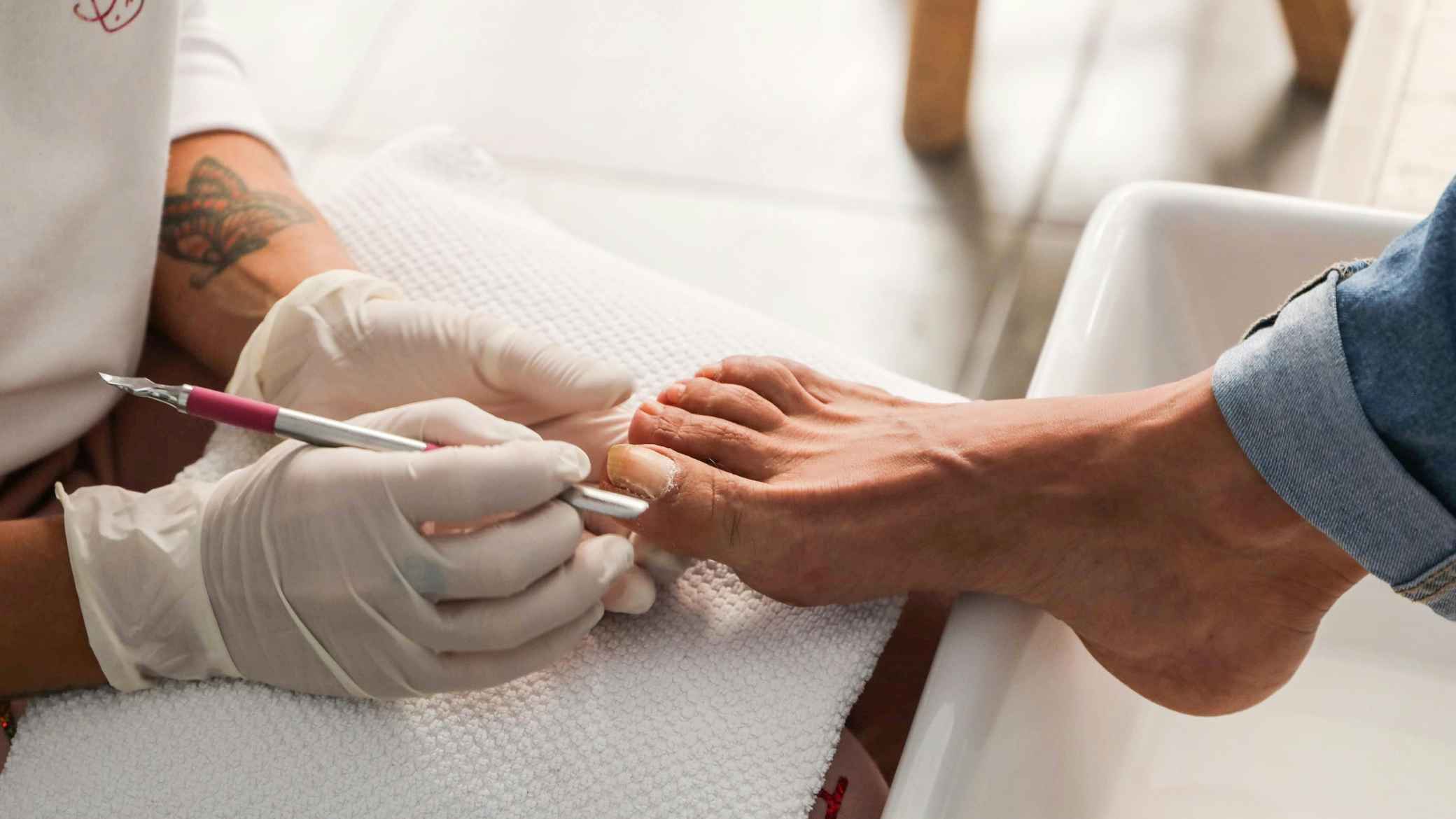
Every nail count, modifier and wound depth checked before the claim goes out.
How It Works
Getting Started in 3 Simple Steps
Payer Enrollment & Compliance
Panel Enrollment and Credentialing for Podiatry Practices
Getting on a panel is only the first step — staying on it is the work. We manage CAQH attestations, Medicare enrollment and revalidation, and commercial payer applications so your clinicians stay in-network and billable.
On the compliance side, we keep your billing aligned with current payer policies for foot and ankle care — including Medicare's diabetic foot care rules, local coverage determinations and prior authorization requirements.
What We Keep Current
- CAQH attestations and re-attestations
- Medicare enrollment and revalidation
- Commercial payer applications
- License and supervision renewals
- Monthly OIG / SAM exclusion sweeps
- Prior authorization tracking
Common Questions
Podiatry Billing Credentialing — FAQ
How are nail debridement claims billed correctly?
Bill by the number of nails treated and the patient's systemic condition. 11721 is used for debridement of six or more nails; 11720 is used for one to five nails. The claim must show the qualifying condition and the number of nails — otherwise the payer denies it as not medically necessary.
When is routine foot care covered by Medicare?
Medicare covers routine foot care only when the patient has a systemic condition — such as diabetes with peripheral neuropathy — and the care is medically necessary. Documentation must support the qualifying condition and the level of care provided. Without that, G0127 is denied as routine.
What do the Q7, Q8 and Q9 modifiers mean?
Q7 means one class A finding; Q8 means two class B findings; Q9 means one class B and two class C findings. These modifiers document the severity of the patient's condition and are required for diabetic foot care claims. Using the wrong Q modifier is one of the most common reasons for denial.
How is wound debridement billed?
Wound debridement is billed by depth and surface area. 11042 is used for subcutaneous tissue up to 20 sq cm; 11043, 11044 and 11045 apply to deeper tissue and larger areas. The operative note must document depth, area and tissue type — vague notes get denied.
How do you bill bunion surgery?
Bunion surgery is billed with 28296 for a distal metatarsal osteotomy, or the appropriate code for the specific procedure performed. The operative note must match the code selected — a mismatch between the procedure described and the code billed is a common denial trigger.
Is RAC audit defense included with podiatry billing services?
Yes. RAC audit defense is part of our MD Audit Shield service. We prepare your documentation, respond to audit requests and defend claims when a RAC review targets podiatry services.
Explore More
Related Locations & Specialties
Locations
Related Specialties
Podiatry Billing · Georgia & Nationwide
Your Practice's Revenue Cycle Is Leaking.
Free Payer Performance Audit — credentialing review, nail debridement and wound claim sampling, modifier checks and a clear next-step plan. No obligation.
Cumming, Georgia · Serving Georgia & Nationwide · HIPAA Compliant