- 410 Peachtree Pkwy, Suite 4245 Cumming, GA 30041
- Email: info@prohealthcareadvisors.com

- Home
- Services
Medical Billing and Practice Management

Creative Collection Solution

MD Audit Shield – RAC

Physician Credentialing

EMR/EHR Software

Electronic Fund Transfer (EFT)

CodeMAXX Services

Hippa

- Specialties
- Contact Us
- Articles
Durable Medical Equipment Medical Billing & Credentialing Services
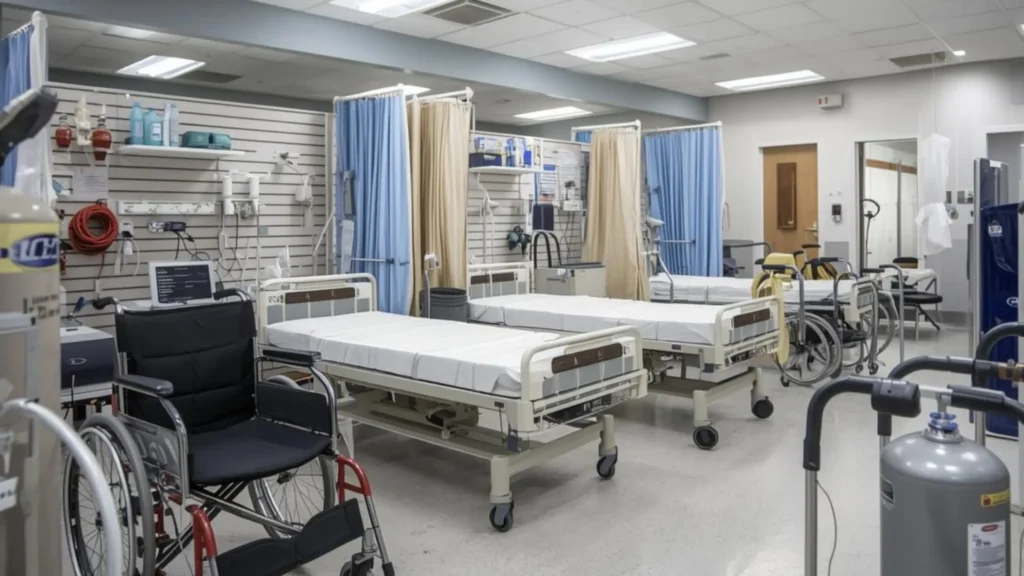
Durable Medical Equipment billing requires specialized expertise in HCPCS coding systems, complex documentation requirements, and strict regulatory compliance standards that general medical billing services cannot adequately address. DME suppliers including wheelchair providers, oxygen equipment distributors, prosthetics and orthotics companies, and home healthcare equipment vendors face unique revenue cycle challenges such as frequent claim denials, evolving Medicare accreditation requirements, varying payer policies regarding medical necessity documentation, and intricate supplier standards affecting reimbursement sustainability. Pro Health Care Advisors delivers comprehensive durable medical equipment billing solutions designed for small to mid-sized DME suppliers seeking accurate claims processing, reduced denial rates, improved cash flow, and expert guidance navigating the evolving regulatory landscape governing durable medical equipment and prosthetics orthotic services reimbursement.
Understanding Durable Medical Equipment Billing Complexities
DME billing differs substantially from traditional medical service billing due to product-based HCPCS Level II coding systems, rental versus purchase billing distinctions, and mandatory supplier accreditation requirements that directly determine reimbursement approval or denial. Unlike CPT codes describing medical procedures, HCPCS codes identify specific equipment including E0431 for stationary oxygen concentrators, E0601 for CPAP machines, K0001 for standard wheelchairs, and L5900 for lower limb prosthetics requiring precise alphanumeric code selection matching exact products supplied.
DME suppliers lose 27% potential revenue through billing errors including incomplete documentation, missing prior authorizations, medical necessity proof deficiencies, and insurance eligibility verification failures. Pro Health Care Advisors implements systematic quality assurance protocols identifying documentation gaps including missing physician orders, incomplete delivery tickets, absent proof of delivery signatures, and insufficient medical necessity justification before claim submission, preventing costly denials and audit vulnerabilities.
Comprehensive Billing Services for DME Suppliers
Expert HCPCS Coding and Product Classification Management
Our specialists ensure accurate HCPCS Level II code selection for wheelchairs and mobility aids using K0001-K0108, oxygen equipment coded E0424-E1390, prosthetics using L5000-L8039, orthotics coded L0000-L4999, and hospital beds using E0250-E0304 requiring precise product specifications matching manufacturer descriptions.
Medical Necessity Documentation and Physician Order Compliance
Medical necessity documentation demands comprehensive physician orders including diagnosis codes supporting equipment need, detailed prescription specifications, face-to-face examination notes within six months before delivery, and clinical justification explaining why equipment improves patient functional capacity or manages specific medical conditions.
Rental and Purchase Billing with Capped Rental Compliance
Pro Health Care Advisors manages complex capped rental billing for CPAP machines, oxygen concentrators, and hospital beds requiring thirteen monthly rental payments before ownership transfers, proper RR rental modifiers, MS maintenance and servicing fee billing, and documentation supporting continued medical necessity throughout rental periods.
Prior Authorization and Insurance Verification Protocols
Prior authorization requirements affect power mobility devices, pressure-reducing support surfaces, lower limb prosthetics, osteogenesis stimulators, and certain orthoses requiring pre-approval before equipment delivery preventing claim denials from missing authorizations discovered post-supply.
Strategic Denial Management Reducing Revenue Loss
DME suppliers experience substantially higher denial rates than physician practices due to incomplete documentation lacking required physician signatures, missing proof of delivery documentation, insufficient medical necessity justification, and expired prior authorizations discovered after equipment supplied. Common denial triggers include services falling outside insurance coverage benefits, inactive insurance policies not verified before delivery, incorrect HCPCS codes mismatching actual products supplied, and claims submitted without Local Coverage Determination compliance documentation.
Our denial management system tracks patterns specific to DME billing including oxygen equipment claims requiring qualifying ABG or oximetry test results meeting Group I or II criteria under Medicare LCD L33797, CPAP compliance documentation proving patient usage exceeding four hours nightly on seventy percent of nights during initial ninety days, and modifier application errors affecting wheelchair accessory reimbursement. We implement corrective action plans addressing root causes, pursue appeals with payer-specific equipment documentation supporting medical necessity and Local Coverage Determination compliance, and monitor first-pass resolution rates measuring revenue cycle efficiency.
Revenue Cycle Solutions Beyond Claims Submission
DME Supplier Accreditation and Quality Standards Maintenance
Medicare requires all DMEPOS suppliers maintain accreditation through CMS-authorized organizations including equipment delivery policies, loaner equipment procedures, patient training protocols, equipment safety and infection control standards, and financial management compliance. Accreditation documentation includes billing staff annual training proof, equipment failure repair maintenance plans, charity policies, and billing discrepancy resolution procedures supporting compliance audits.
CPAP and BiPAP Compliance Tracking Systems
CPAP rental billing demands stringent compliance documentation including initial sleep study results diagnosing obstructive sleep apnea, physician orders specifying pressure settings, proof of delivery signatures, and patient usage data demonstrating adherence meeting payer thresholds before continued rental authorization. Medicare requires usage reports showing minimum four hours nightly on seventy percent of nights or reimbursement recoupment occurs retroactively.
Local Coverage Determination Policy Monitoring
Medicare Administrative Contractors publish Local Coverage Determinations establishing specific coverage criteria, documentation requirements, and coding guidelines varying by geographic jurisdiction requiring continuous monitoring. LCD policy updates affect oxygen equipment coverage criteria, power mobility device qualifications, and prosthetic limb component allowances impacting billing accuracy and compliance.
Technology Integration with Inventory Management Systems
Modern DME billing requires real-time integration with inventory tracking platforms capturing serial numbers, lot numbers, manufacturer details, and product specifications supporting claim submissions. Automated systems link equipment deliveries with billing records, track rental payment schedules, generate compliance reports, and flag expired authorizations preventing revenue leakage from operational inefficiencies.
Partner with Specialized Durable Medical Equipment Billing Experts
DME billing complexity demands dedicated expertise understanding HCPCS coding systems, supplier accreditation requirements, and evolving Medicare policies affecting durable medical equipment reimbursement.
Our specialized durable medical equipment billing services deliver:
- Expert HCPCS Level II coding accuracy for wheelchairs, oxygen, prosthetics, orthotics
- Medical necessity documentation meeting Medicare and commercial payer standards
- Rental and purchase billing optimization with capped rental compliance
- Prior authorization tracking preventing expired authorization claim denials
- DME supplier accreditation support maintaining CMS quality standards
- CPAP compliance monitoring ensuring patient usage documentation
- LCD policy compliance preventing geographic coverage determination violations
- Monthly financial reporting with inventory reconciliation and aging analysis
Pro Health Care Advisors brings boutique service quality ensuring your billing team understands DME supplier workflows, knows your payer mix challenges intimately, and advocates persistently for maximum reimbursement on every equipment delivery.